Alleviating Pollen Allergies: How Nutrition and Supplements Can Help
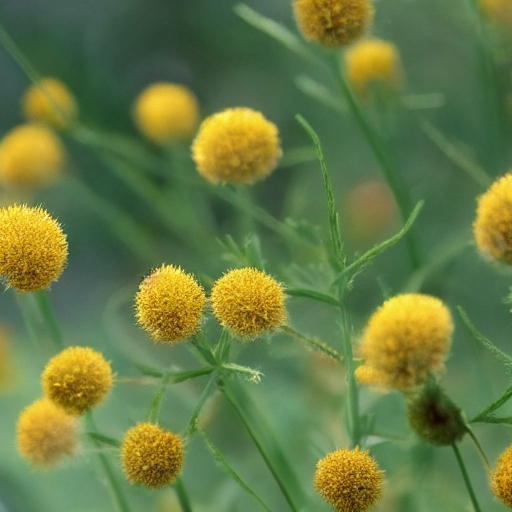
Springtime brings warmer weather, sunshine, and flowers in full bloom. Unfortunately, it also brings something that can be less enjoyable: pollen allergies. For those who suffer from pollen allergies, the season can be a time of runny noses, itchy eyes, and constant sneezing. But did you know that nutrition and supplements can help ease the symptoms of pollen allergies? In this blog post, we’ll explore how pollen allergies work and how you can use nutrition and supplements to find relief.
What are Pollen Allergies?
Pollen allergies, also known as seasonal allergies or hay fever, occur when the body’s immune system reacts to pollen from trees, grasses, or weeds. When the pollen enters the body, the immune system sees it as a threat and releases histamines, which cause allergy symptoms such as sneezing, runny nose, and itchy eyes.
While pollen allergies are a common problem, they can be particularly bothersome during the spring months when plants are in full bloom. Fortunately, there are several natural ways to reduce the severity of pollen allergy symptoms.
Nutrition for Pollen Allergies
Eating a healthy and balanced diet can help to reduce inflammation in the body, which can help to alleviate allergy symptoms. Here are some dietary tips for managing pollen allergies:
- Eat a variety of colorful fruits and vegetables. These foods are rich in antioxidants, which can help to reduce inflammation and strengthen the immune system.
- Avoid processed and packaged foods that contain artificial additives, as these can worsen allergy symptoms.
- Incorporate anti-inflammatory foods such as fatty fish, nuts, and seeds into your diet.
- Drink plenty of water to stay hydrated, which can help to thin mucus and reduce congestion.
Supplements for Pollen Allergies
In addition to a healthy diet, certain supplements can help to reduce the severity of pollen allergy symptoms. Here are some supplements that may be beneficial:
- Quercetin: This flavonoid has natural antihistamine properties and can help to reduce inflammation in the body.
- Vitamin C: This antioxidant can help to boost the immune system and reduce inflammation.
- Probiotics: These beneficial bacteria can help to support the immune system and reduce inflammation in the body.
It’s important to talk to your healthcare provider before starting any new supplements, especially if you are taking other medications or have underlying health conditions.
Conclusion
Pollen allergies can be a nuisance, but they don’t have to ruin your springtime. By incorporating anti-inflammatory foods into your diet and taking certain supplements, you can reduce the severity of your allergy symptoms and enjoy the season. Be sure to talk to your healthcare provider if you have any questions or concerns about managing your pollen allergies.